The leave policy is not only about clicking the tick box and ensuring acknowledgement of the approach; it is about understanding the leave rules and applying them correctly in workforce management. A solid leave act and related rules provide a clear pathway for effective leave management, thereby positively impacting employee management. Besides, the leave policy compliance protects the organisation from legal risk, preserves payroll accuracy, supports workforce planning, and signals respect for employees’ rights
Although many start-ups and mid-range companies rely on spreadsheets, email, or old-fashioned paper forms for employee leave handling, these methods are not only time-consuming but also create hidden liabilities and employee frustration. A modern Leave Management Software (LMS) turns compliance from a manual burden into an auditable, policy-driven workflow.
In this blog, we will explain why compliance matters and how an LMS enforces it. Additionally, we will discuss the unique features you should demand, as well as practical steps and KPIs to make compliance measurable and sustainable. Wherever I cite data or law, you’ll find the source immediately after the claim.
The leave policy is not only about clicking the tick box and ensuring acknowledgement of the approach; it is about understanding the leave rules and
Before delving into the benefits and drawbacks of integrating leave compliance into a leave management system, it’s essential to understand why leave policy matters. Large enterprises typically offer extensive leave options, whereas in mid-size and startup environments, entitlements often vary widely due to internal policies. When these policies are aligned with statutory leave compliances, it not only protects the organisation legally but also builds transparency and trust in the employer–employee relationship. In this section, let’s see why the leave policy matters.
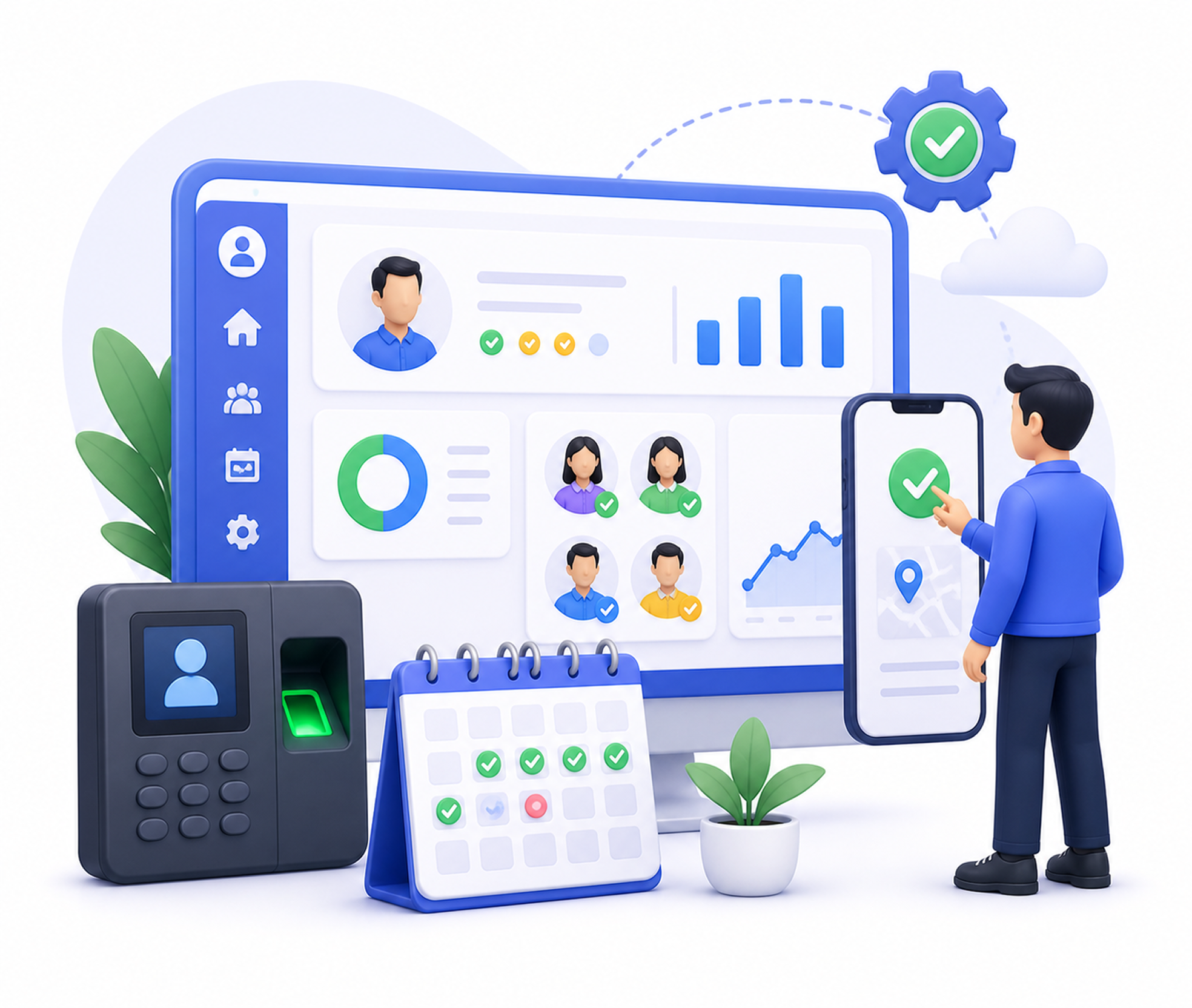
A leave management system stores employee leave records and provides transparent reports during compensation finalisation. Additionally, with the embedded policies, the system encodes accrual rules, carry-forward caps, probationary rules, blackout windows, and statutory leaves, so requests that violate these rules are automatically rejected or flagged. The entire process prevents human error at the point of request. A robust LMS becomes the single source of truth for all time-off-related information. Its core compliance functions typically include:
With updated leave policies embedded in the LMS, every leave request, approval, override, and correction is automatically captured and analysed, including timestamps and user IDs. It creates a complete audit trail, providing the organisation with defensible and transparent records that not only support internal reviews, compliance checks, and labour inspections but also securely store employee attendance data.
An LMS aligned with updated leave policies ensures payroll accuracy. Both employees and employers benefit from reduced manual data entry, fewer payroll errors, and the real-time reflection of leave details in payslips and benefit calculations. All is performed with the assistance of auto-syncing approved leaves, deductions, and entitlements. Streamline the entire payroll process for faster, cleaner, and fully compliant operations.
When policies are updated, the LMS applies them seamlessly across all branches, states, or countries. The rules engine adjusts statutory defaults based on jurisdiction while maintaining overall policy consistency. It ensures that multi-location companies manage leave accurately and in compliance with local laws across every region they operate in.
An LMS powered by updated leave policies sends automated notifications and follows structured approval workflows. The system’s escalation rules ensure that every request is processed within the defined Service Level Agreements. In contrast, system controls prevent managers from approving noncompliant or inconsistent leave requests without proper justification.
A leave management system embedded with the company’s and national leave policies is no longer optional; it is mandatory for managing a workplace seamlessly. With an updated LMS, employees can access their leave-related rules in real time, so they don’t have to reach out to HR every time. Besides, employers get a streamlined pipeline that doesn’t require them to focus on employee movement and performance, as tools automate everything. Overall, a policy-based system creates a strategic pipeline for the entire workforce management.